
Introduction
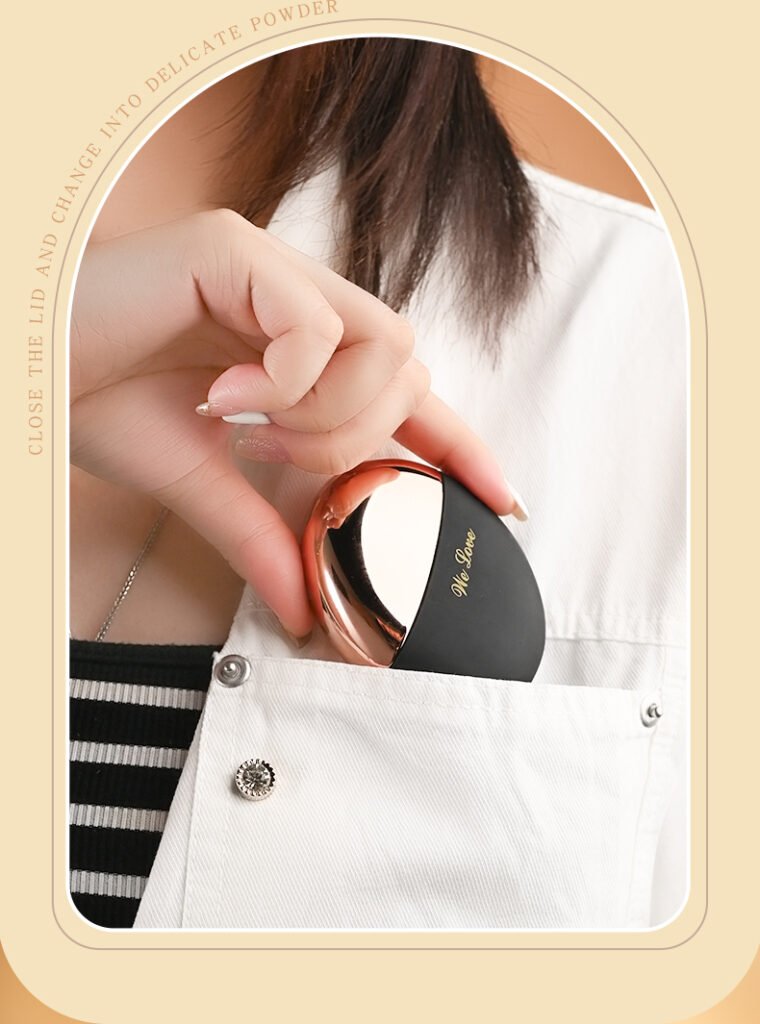
Our bodies are amazing, complex systems that deserve care, respect, and understanding. Yet, in everyday life, many people don’t take the time to truly connect with themselves. Learning to “get to know your body” can improve your physical health, boost confidence, and support overall wellness. This guide explores practical steps to build body awareness and turn self-care into a natural part of your lifestyle.
Why Body Awareness Matters
Understanding your body goes far beyond how it looks in the mirror. True body awareness means:
- Recognizing signs of stress, fatigue, or tension.
- Understanding what brings you comfort and energy.
- Learning how movement, rest, and touch affect your mood.
- Building confidence by connecting with your physical and emotional self.
The better you know your body, the easier it becomes to make choices that support health and happiness.

Physical Wellness: Listen to the Signals
Understanding your body goes far beyond how it looks in the mirror. True body awareness means:
- Recognizing signs of stress, fatigue, or tension.
- Understanding what brings you comfort and energy.
- Learning how movement, rest, and touch affect your mood.
- Building confidence by connecting with your physical and emotional self.
The better you know your body, the easier it becomes to make choices that support health and happiness.
Physical Wellness: Listen to the Signals
Your body communicates constantly through signals such as:
- Tension or stiffness → a reminder to stretch, exercise, or relax.
- Energy levels → showing how diet, hydration, and sleep affect performance.
- Skin and posture → often reflecting stress, environment, and lifestyle.
Practical tip: keep a short daily journal to note how your body feels at different times of the day. Over time, you’ll start noticing patterns.
Emotional Connection with Your Body
Wellness is not only physical. Emotional self-awareness plays an equally important role:
Explore self-care rituals (like relaxing baths, meditation, or massage) that combine physical comfort with emotional calm.
Practice mindfulness to reconnect with your body during everyday routines.
Use positive self-talk to build a healthier relationship with your body image.
The Role of Self-Care Tools
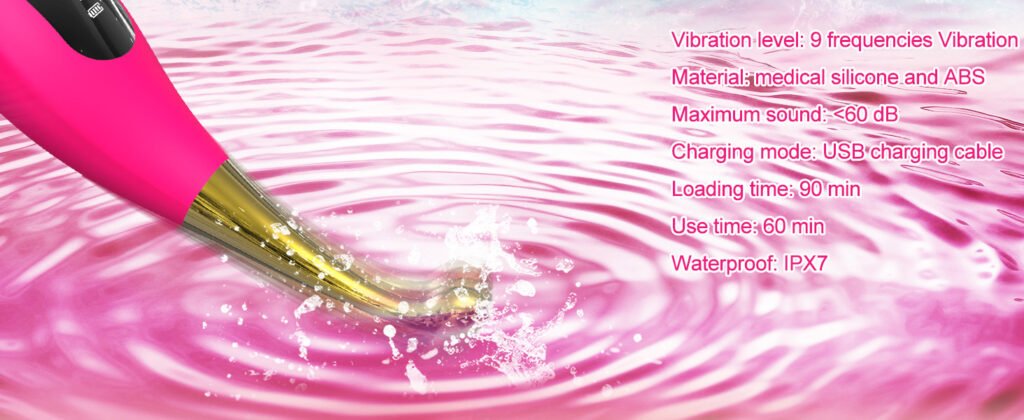
Wellness tools can help you learn about your body and discover what feels best:
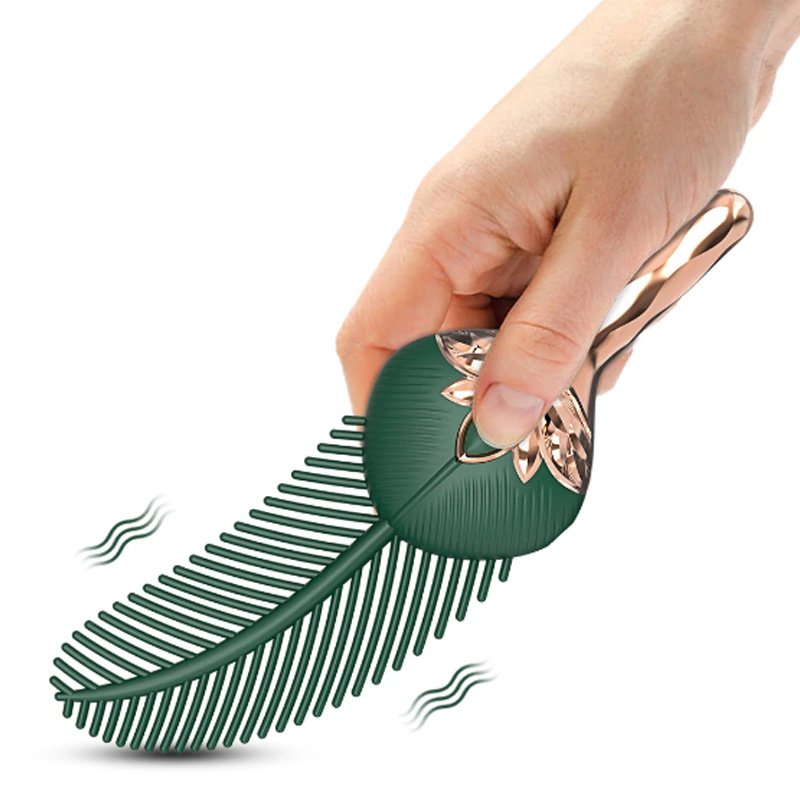
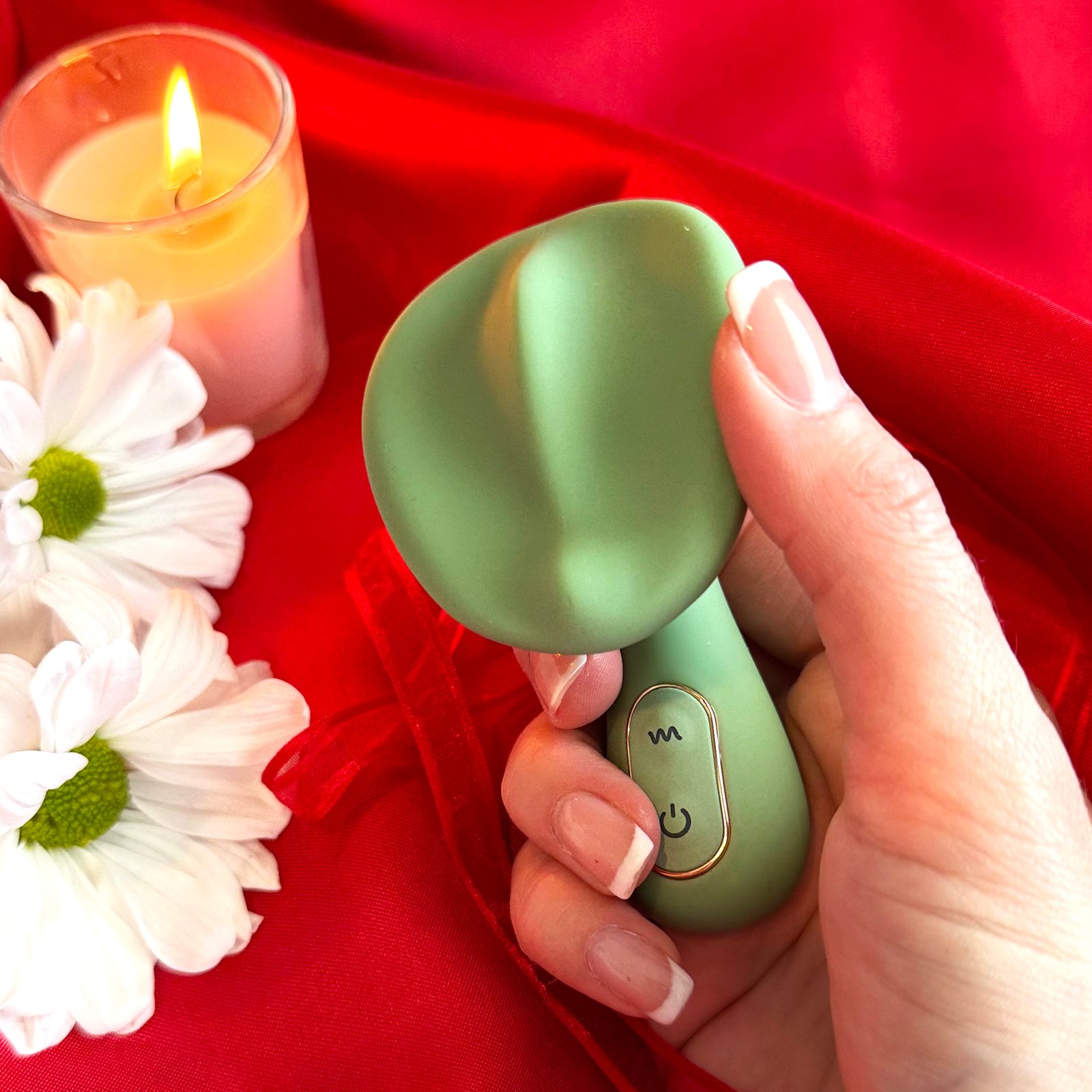
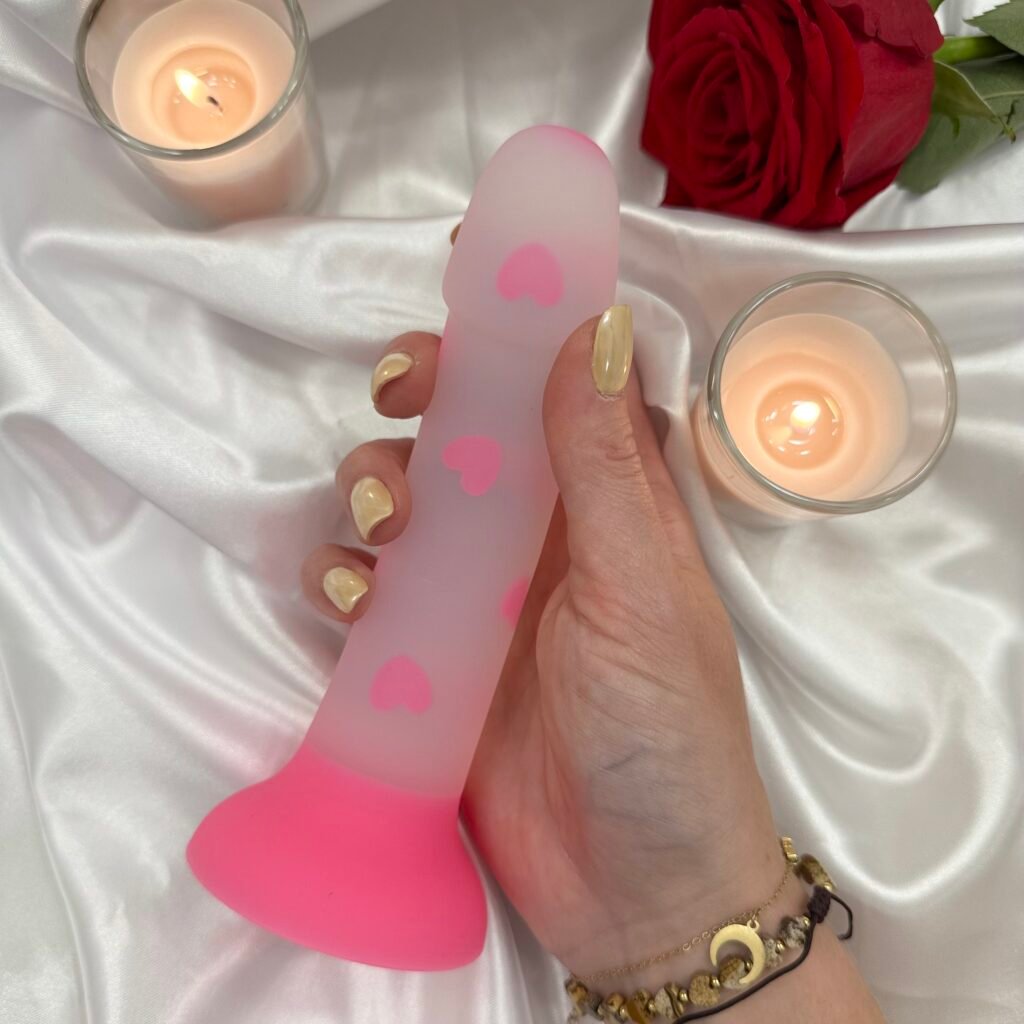
Personal wellness products – discreet ways to explore comfort, relaxation, and self-care.
Massage oils – enhance relaxation and reduce stress.
Relaxation accessories – support circulation, comfort, and stress relief.
Explore our wellness collection to find products designed to help you connect with yourself.
Building Confidence Through Routine
Knowing your body is not a one-time activity – it’s a journey. Here’s how to make it part of your lifestyle:
Reward your body with rest and nourishing foods.
Create a weekly self-care ritual (stretching, massage, journaling).
Dedicate at least 10 minutes daily to quiet observation – how you feel, how you breathe, how your body responds.
Confidence grows when you consistently listen, respond, and care for yourself.
Conclusion
Getting to know your body is a journey toward better health, stronger confidence, and greater happiness. By listening to physical signals, connecting emotionally, and practicing mindful self-care, you can build a deeper relationship with yourself.
Remember: self-care isn’t selfish—it’s essential. The more you understand your body, the better equipped you are to enjoy life fully and share positive energy with others.